Leaders in AI Governance & Compliance

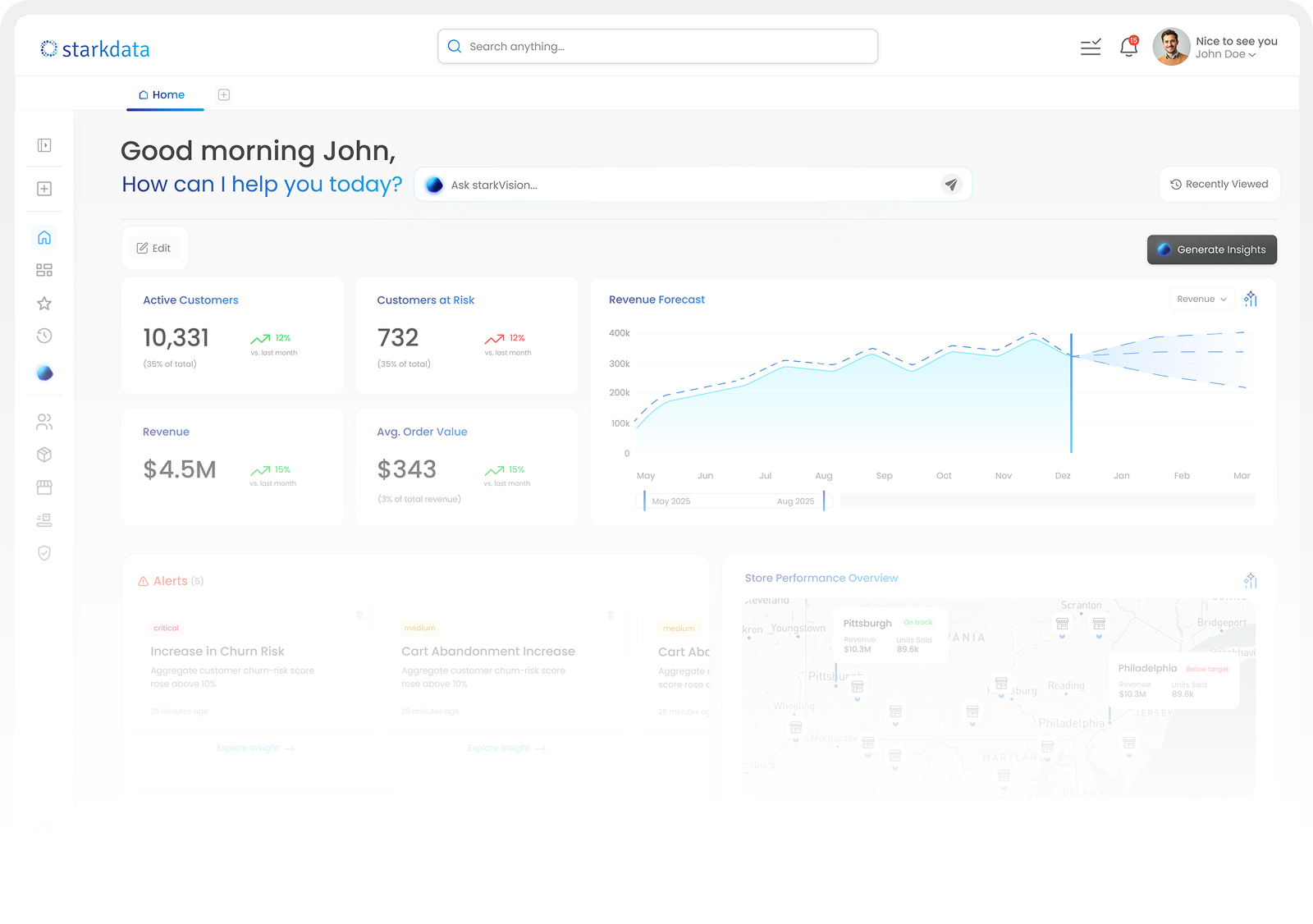
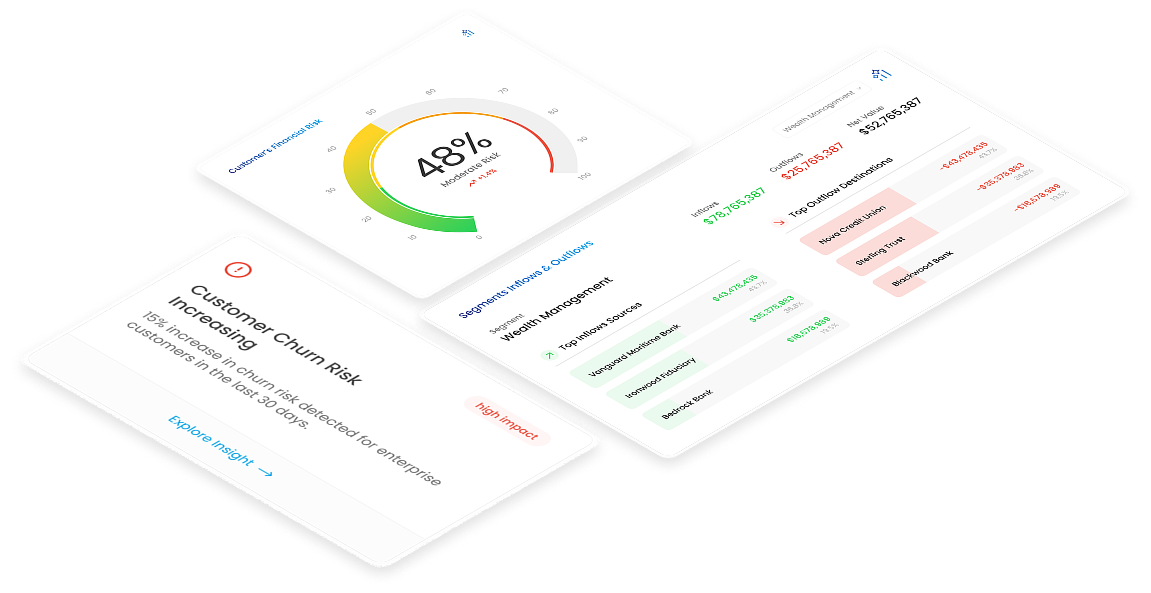
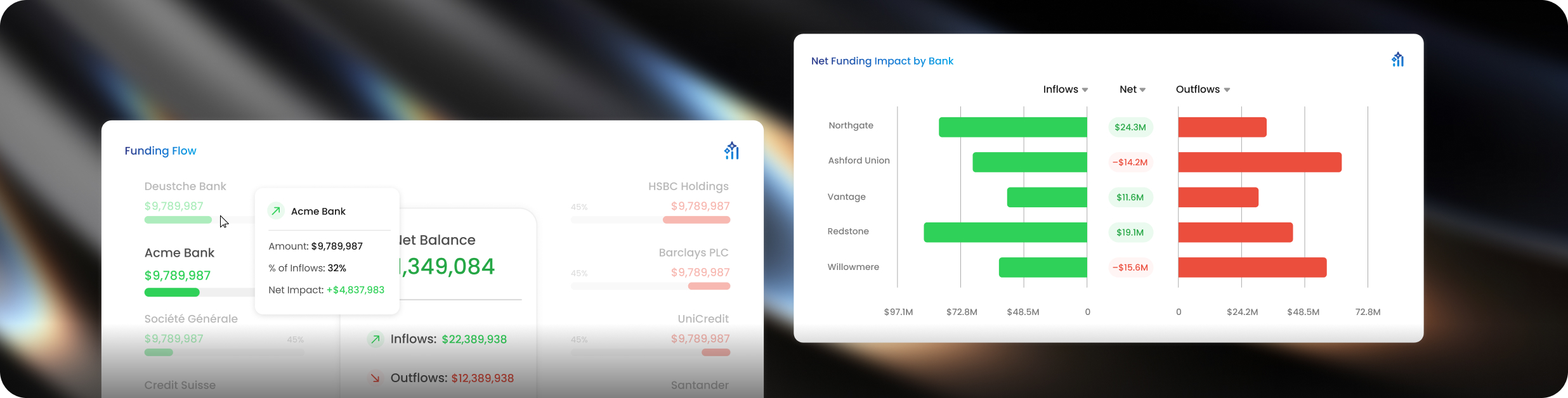
Anticipate Risk, Capital Flows & Portfolio Performance
Remove blindspots, make decisions with full context, & act with confidence at every decision point.
Scroll to Explore
.png)
.svg)
.png)
.png)
.png)
%201%20(1).png)
.png)
%201.png)
.png)
.svg)
.svg)
.svg)
.svg)
.svg)

.jpg)
.jpg)
.jpg)
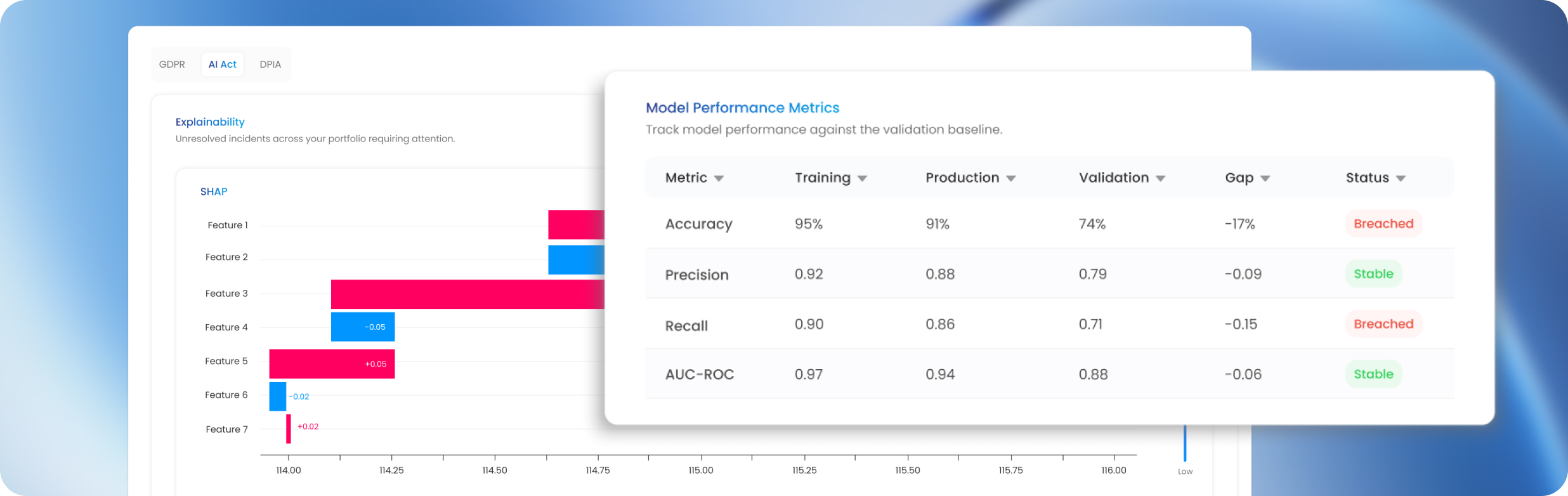
Give internal audit and external supervisors the same answer, with every prediction traced to its inputs, ready before a SREP review asks for it.
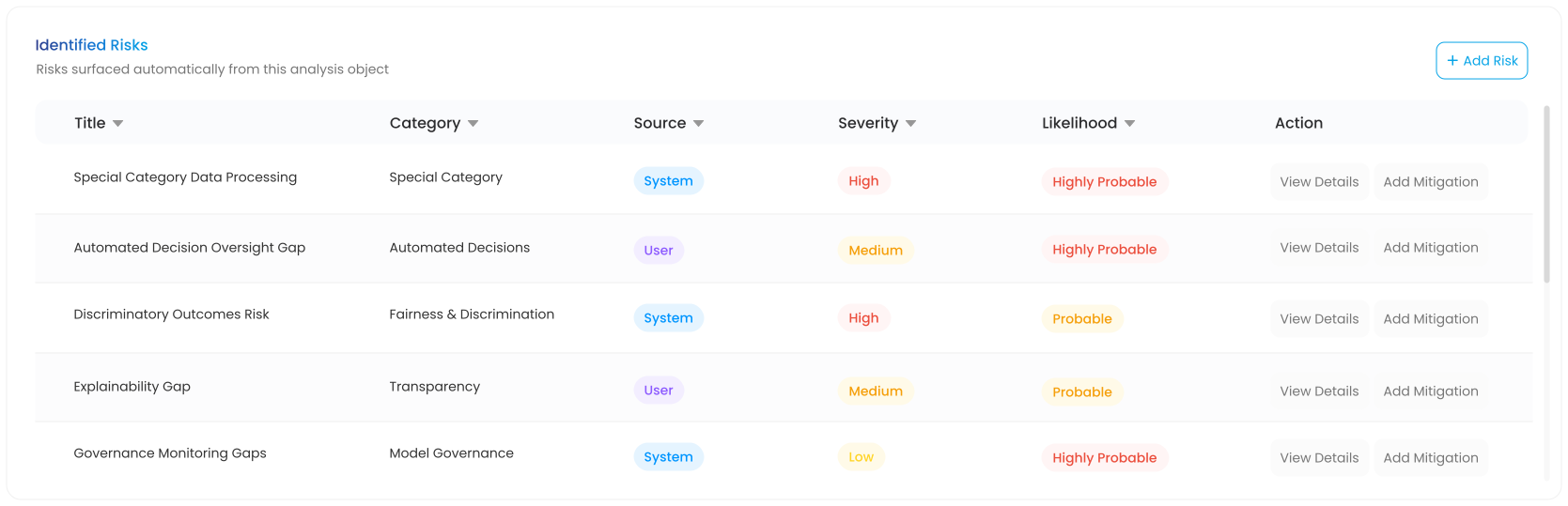
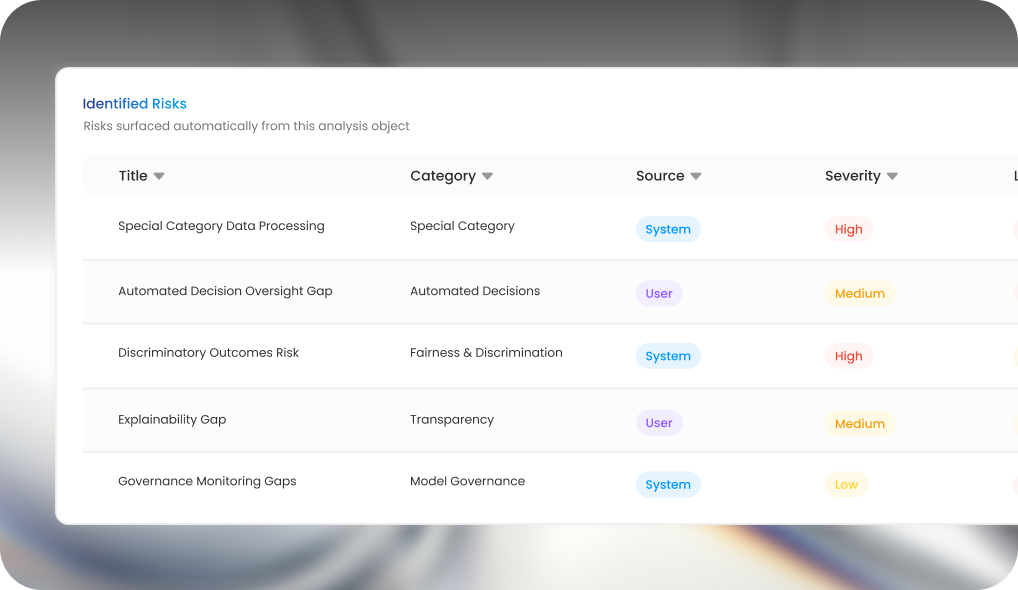
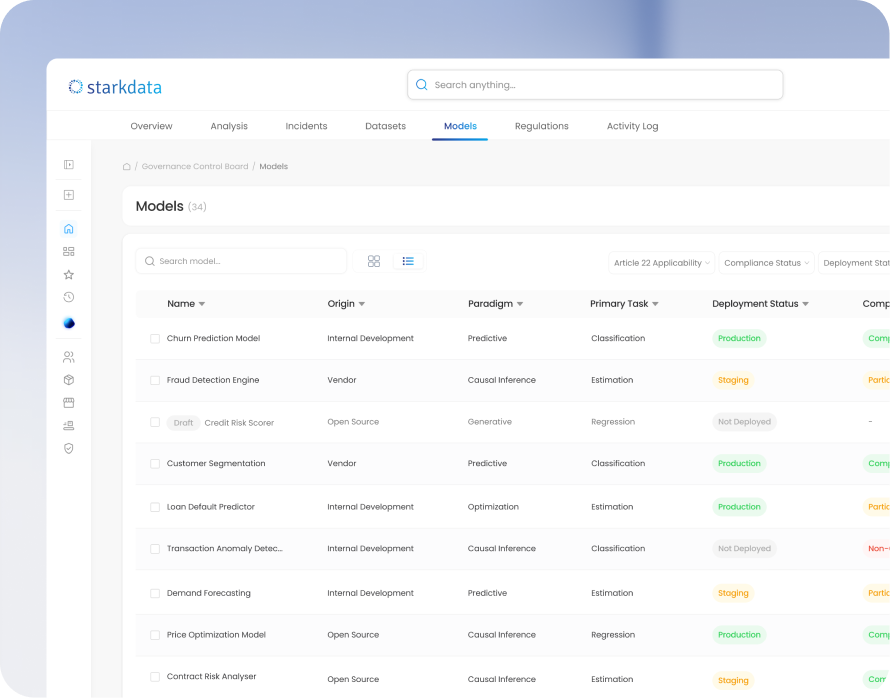
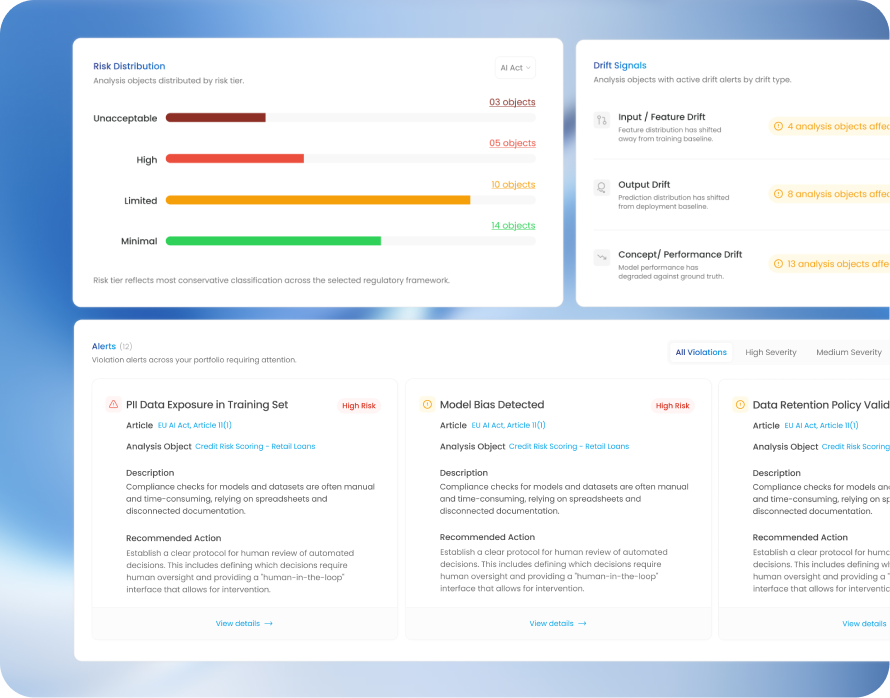
Keep one complete, current inventory of every model in production — the register regulators expect you to already have.
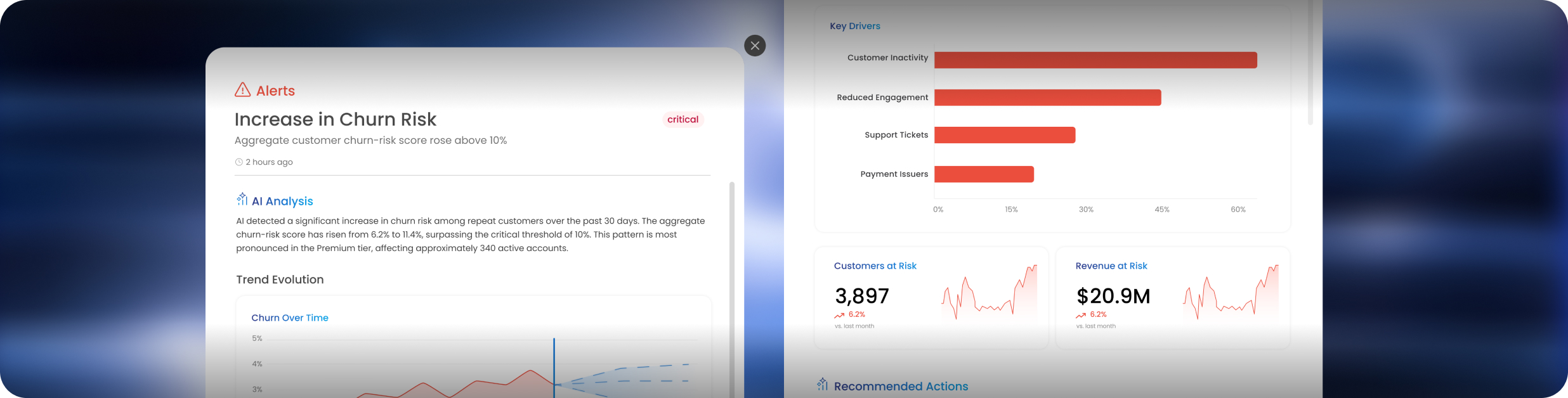
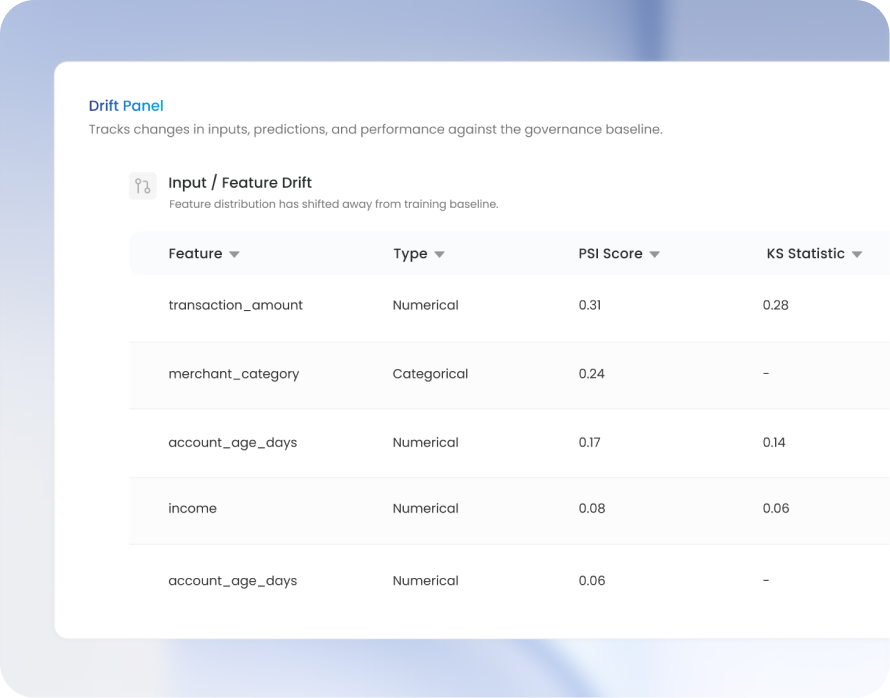
Catch model drift automatically, so business units keep moving without you becoming the bottleneck that catches it manually.
Map every control to the specific article it satisfies, so a supervisory request gets a documented answer, not a scramble.
.png)






.svg)
.svg)
.svg)
.svg)
.png)
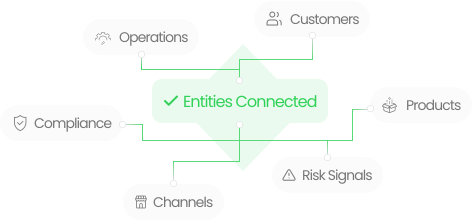
Yes, on-premises deployment is fully supported, alongside cloud and hybrid configurations, including for institutions with the strictest data residency requirements. The platform connects to your existing infrastructure rather than replacing it, drawing data from core banking, risk, and customer systems into a single connected view while your current systems continue to operate as they do today.
Your data remains within infrastructure you control at all times and never leaves the boundaries you define. Data is encrypted both at rest and in transit, and access is governed by the same controls your compliance and information security functions already rely upon, with every interaction logged and auditable. We recommend a dedicated security review during a briefing to address your institution's exact requirements.
Regulatory alignment is a core design principle of the platform, with automated governance workflows built against frameworks including DORA, the EU AI Act, GDPR, EBA/REP/2020/01, and PCI DSS. The specific frameworks relevant to your institution depend on jurisdiction and business line, which we will map out during a briefing.
Explainability is a core capability of the platform, not a supplementary feature. Given the regulatory scrutiny applied to decisions across credit, risk, and compliance functions, every output can be traced to the specific factors that produced it, ensuring the result is defensible to regulators, auditors, and customers alike.
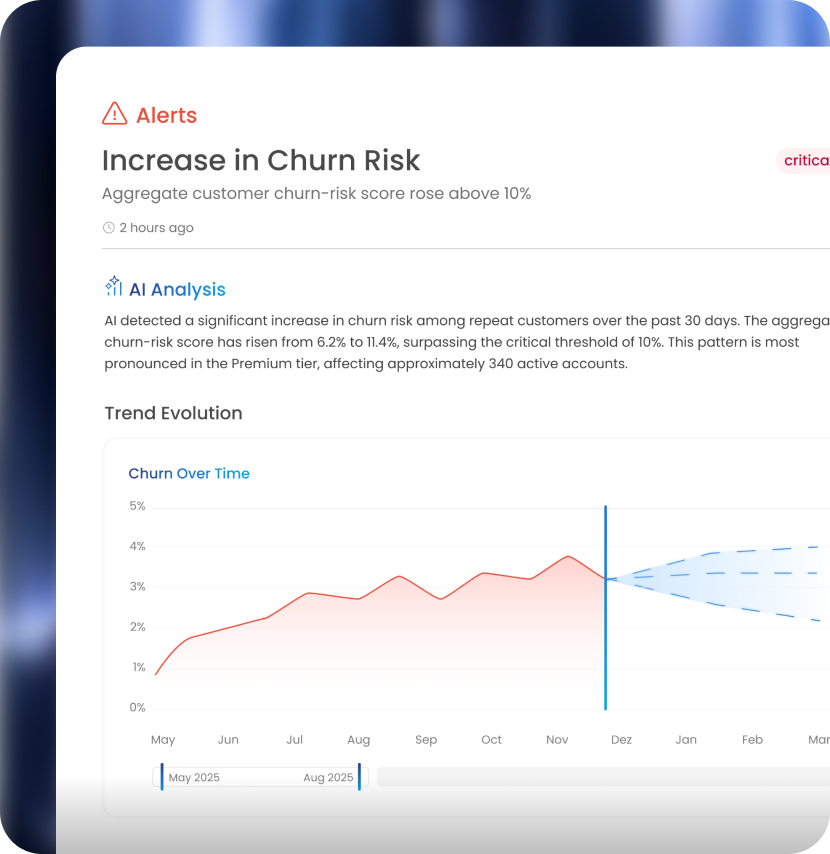
In a European banking deployment, customer intelligence and predictive forecasting capabilities contributed to a 47% reduction in churn, achieved with 95% precision, with outcomes depending on data quality and use case. Deployment timelines average approximately 90 days from kickoff to go-live, though the precise duration depends on the complexity of your data environment. A briefing will clarify what is realistic for your institution on both counts.
Pricing depends on the scope of your deployment, the capabilities required, and the size of your institution, so we don't publish a flat rate. A briefing gets you an accurate scope and pricing conversation based on your institution's actual requirements, rather than a figure that wouldn't reflect what you'd really invest.